
Is this modern thing we are doing still yoga?
"This is yoga. That's not yoga." We've all heard the chatter, the debates, and the gatekeeping around what counts as yoga today.
I'm not here to dictate what is or isn't "true" yoga, nor do I claim to have all the answers. But here is my offering - What magic is left of your yoga practice when you step beyond the physical movements?
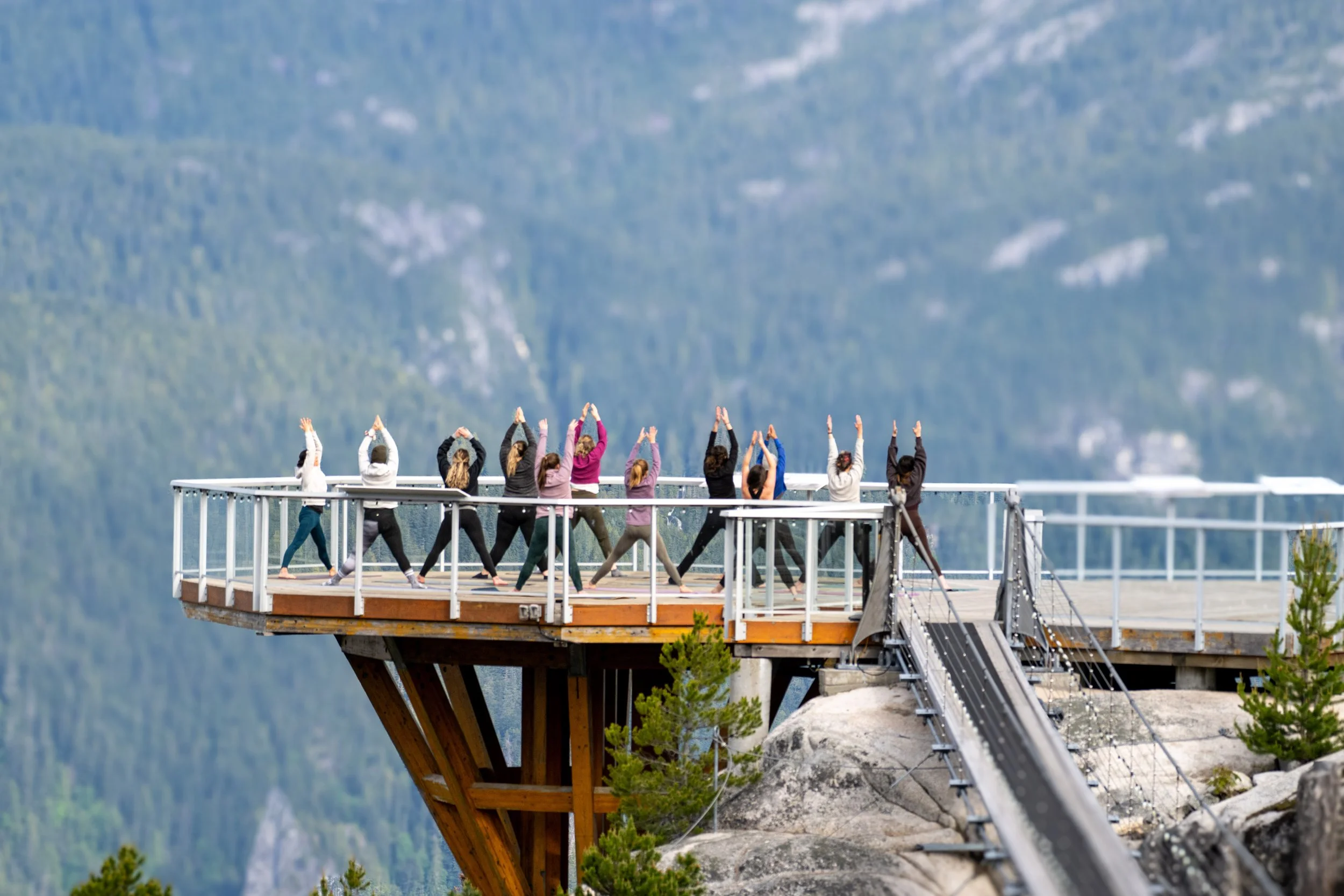
Yoga, a wisdom tradition that is around 7,000 years old and has never been a single, rigid path. It has many vibrant, ever-evolving philosophies and practices. Even in the last 150 years—we've seen some incredible transformations.
Consider Ashtanga, a branch of Hatha Yoga that emerged in the 20th century through the pioneering work of T. Krishnamacharya, and later, through the codification and standardisation work of Pattabhi Jois, who was not born until 1915. Then there's also Iyengar Yoga, developed by B.K.S. Iyengar (born in 1918), another student of Krishnamacharya, who drew in inspiration from European gymnastics and clever props like straps, blocks, and chairs to deepen his methodology.
If Iyengar's innovative approach was once met with raised eyebrows, where does that leave our modern "yoga sculpt" classes with light weights? Why are lavender eye pillows embraced, but resistance bands frowned upon? Is there a clear line between yoga and fitness? And when do activities like snowboarding, mountain biking, or anything that brings us into "flow state" become "yoga"? While I'm not ready to label everything "yoga"—and honestly, who has that authority?—I do believe we can all soften our stance and remind ourselves of the common threads that connect all "yoga" practices.
Beyond the physical movement practices of more recent times, we can see other, older variants in teachings:
Classical yoga ( a.k.a Raja or Patanjali Yoga) champions meditation as a means to liberation as laid out in the 8 fold path offered in the Yoga Sutras of Patanjali.
Hatha Yoga explores the movement of Kundalini energy through the body, using the tools of Asana, Pranayama, Mudra, and Bandhas to awaken and guide this energy, as described in texts like the Hatha Yoga Pradipika.
Then there is Karma Yoga (the path of selfless action), Jnana Yoga (the path of wisdom and knowledge), and Bhakti Yoga (the path of heartfelt devotion). Each offers its own unique philosophical insights and transformative practices.
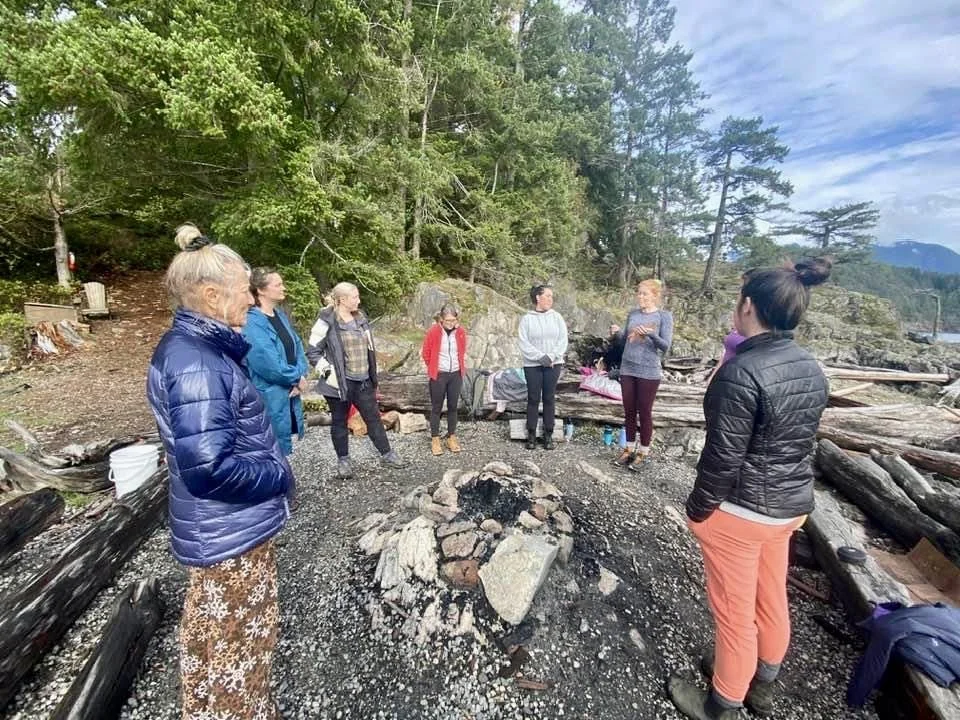
What I know to be true is that Yoga IS Moksha Shastra - teachings of liberation. And whilst the words Moksha Shastra permeate many south asian philosophies, we can look at cultures around the world and see a universal search for freedom, liberation, union and relationship.
I believe this means, for something to be considered yoga, a practice should have a Darshan (worldview/philosophy) AND practical, tangible applications. The teachings, in whatever lineage or system they come from, should gently remind us that there's something infinitely more expansive than our individual, isolated experience of self—something deeply connected to everything around us, seen and unseen.
Whatever practice consistently brings you back to this feeling of connection, AND guides you into a deeper relationship and experience of it, that, my friend, is your yoga.
My own journey into yoga wasn't love at first sight. My very first class felt challenging, a bit uncomfortable, and the teacher was intense. Yet, it was the philosophy, not the physical practice, that invited me deeper. It was accessible, allowing me to enquire without the pressure of "converting," unlike some other traditions I'd encountered. Growing up in a Catholic household, inquiry into aspects that felt authentic,right and in alignment with my own experience began to draw me in. When I embarked on my first 200hr yoga teacher training, the philosophy didn't immediately click. I learned the teachings, but they hadn't quite settled into my body, mind, or how I moved through the world. I kept exploring, learning, experiencing through my body. I kept reading books and kept studying with mentors, allowing my own unique relationship and understanding to gently unfurl over time, eventually leading me to the tantric philosophy I now embrace. It is ok to dabble, to explore, learn, and keep growing until something resonates for you! Then commit, align practice, dedication and effort.
Somewhat ironically, all yoga is goal oriented - towards Moksha. The most challenging part, I believe, is the seemingly opposing actions of Abhyasa and Vairagya - continuous dedicated effort and non-attachment to outcomes. These two principles appear in a number of South Asian schools of thought, and seem like they have permeated modern, fitness-style yoga classes more than almost any other teaching - putting in consistent effort and then gracefully letting go of whether we feel we're "getting there." Personally, I find effort much easier than letting go. The challenge of our evolution isn't adding something new; it's in releasing old dependencies, beliefs, and behaviours.
Change is a beautiful constant. Yoga will continue to evolve, shift, and perhaps open its doors to more and more people. I think it's important that we each discover the practices that nourish us and allow others to find theirs. Don't let yourself get caught in rigid definitions. Consider a "clear out" of the channels that feed you—social media, certain influences, even people in your life—so that practices that feel "icky" no longer take up your precious mental space or capacity for your own development.
If you've tried a public yoga class once and thought it wasn't for you, I encourage you to try again! There's a vast, wonderful spectrum of teachers, philosophies, and communities waiting to be discovered. A little research can go a long way, and connecting with a skilled and experienced teacher can make a world of difference.
Reflections for Yoga Students:
Does your practice help you call yourself on your own BS? Does it help you grow into the awareness that you are so much more than your driver's license description?
Does your practice support your deepening understanding of yourself in relationship with world around you?
What wisdom is left of your practice when you gently set aside the stretching or physical movements?
Who are you learning from? Is your yoga teacher still a devoted yoga student themselves? Are they continuing to learn, grow, study, and experience in their own lives, beyond just teaching classes and social media? Are they holding space for you in a way that supports your journey?
Reflections for Yoga Teachers:
As a teacher, do your teachings consistently inspire and guide toward self-transformation and awareness?
Are you embodying this growth, reflection, and evolution in your personal practice?
Who are you continuing to learn from, allowing your own journey to inspire your teaching?
Yoga is in a state of continuous, beautiful evolution, and that's not just okay—it's something to celebrate. While not every single practice needs to be a profound philosophical inquiry, I believe yoga is deeply rooted in philosophical exploration and deepening sense of union with the world around you—however that connection emerges for you.

Nicki is Founder of Wild Vedas - a clinical Ayurvedic Practitioner, Yoga Teacher Trainer & Hiking Guide. She has been guiding transformative journeys since 2011.
Growing up in Australia, her career has had her living in New Zealand, the UK, Bali and now Canada, as well has having guided numerous programs across Asia and South America. She has held space for thousands of journeys of self reflection, awareness and growth using nature and community as mirrors back to ourselves. Nicki's programs prioritise playfulness, community, authenticity, and a deep curiosity for self-discovery, connection with others, and exploration of the world around us.
